Wanderlust Staff Writer
June 14, 2025 · 3 min read
Most visitors see the famous sites. This is a guide to the other Kyoto — the neighborhood shrines with no English signs, the kissaten coffee shops frozen in 1975, the craftspeople who've been making the same object for thirty years.
Kyoto has a problem with itself. It is so relentlessly beautiful — so perfectly preserved in certain districts, so willing to present a curated version of a Japan that the 21st century hasn't reached — that visitors arrive with expectations already fixed by a thousand photographs. They see Fushimi Inari's thousand gates and Kinkaku-ji's reflected gold and Arashiyama's bamboo grove (between two to five hundred other people in the bamboo grove simultaneously) and leave having ticked boxes they brought with them.
This is not a criticism of Kyoto. Those places are genuinely extraordinary. But the city has another register, accessible to anyone willing to move slowly and slightly sideways.
The Neighborhood Shrines
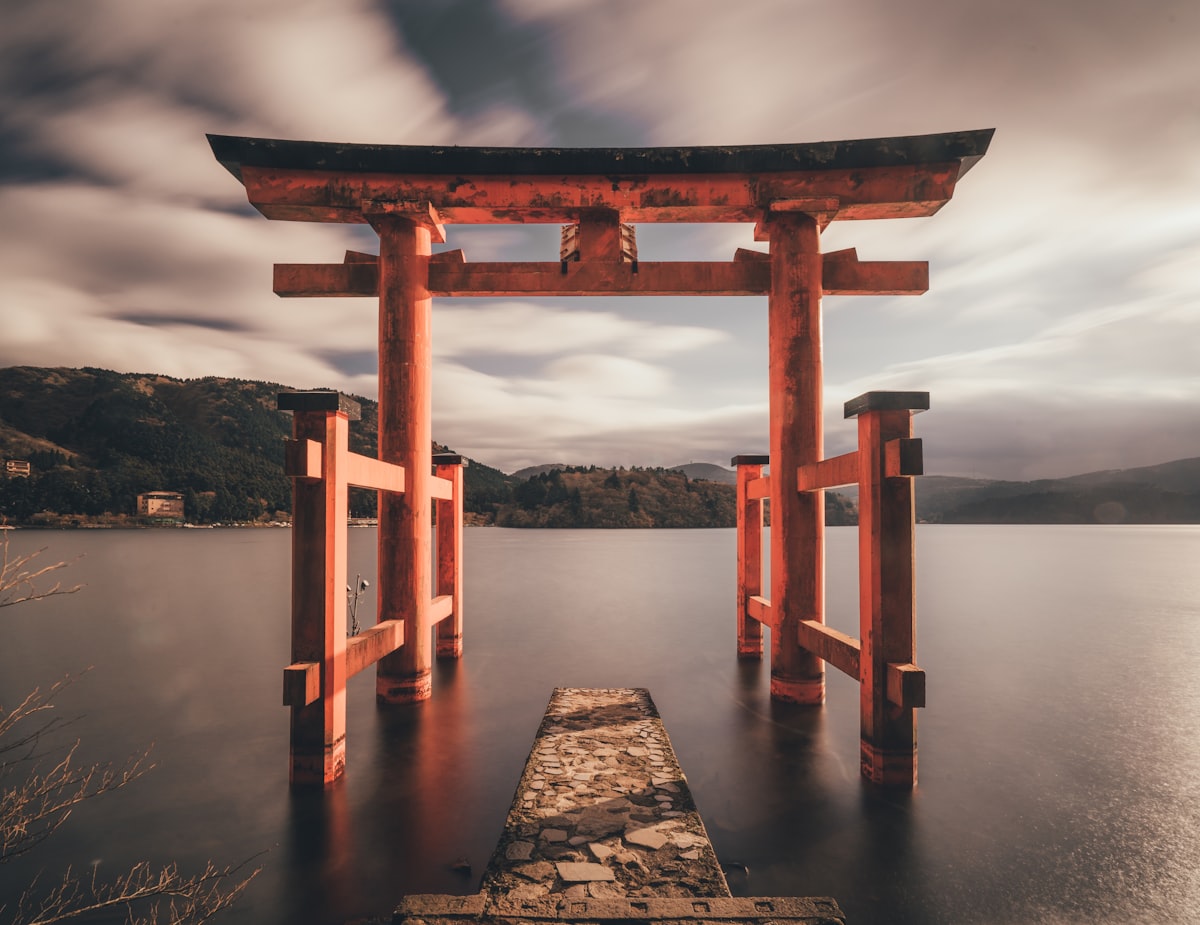
Kyoto has 1,600 registered temples and shrines. Most visitors see twelve. The other 1,588 range from significant (Fushimi Inari's sub-shrines, each worth seeking out) to tiny: a stone torii, three statues, a water basin, a narrow path between two houses leading somewhere older.
In Nishiki — the "Kitchen of Kyoto" market street — a small Inari shrine sits at the eastern end, essentially embedded in the market itself. The fox statues wear bibs changed regularly by whoever maintains them. No one is photographing it. People stop to clap their hands and bow on their way to buy pickled vegetables.
This is Kyoto's actual religious life: habitual, domestic, woven into the fabric of the day rather than performed for visitors.
Kissaten Culture
The old-school Japanese coffee shop — kissaten — is vanishing, replaced by chain cafes and specialty pour-overs for a clientele who've learned their preferences from Instagram. But Kyoto still has them, concentrated especially in the Sanjo area and in the quieter streets of Shimogamo.
The formula is specific: small, often run by one person who's been there for decades, a menu of coffee and perhaps toast and a boiled egg, jazz or classical music at low volume, a silence that feels curated, wood-paneled walls, ashtrays (increasingly vestigial), and a sense of time operating differently than outside.
I spent a morning in a shop near Nijo Castle that I suspect has not changed its interior since 1978. The proprietor was in his seventies, precise in his movements, and made a pour-over coffee with the focused ritual of someone who considers it important. It cost 550 yen. I sat for two hours. He didn't seem to mind.
The Craftspeople of Nishiki Koji
One street back from the main tourist corridors, on a narrow lane called Nishiki Koji, there are still workshops producing the traditional crafts that the souvenir shops nearby sell as replicas. A man in his sixties repairing folding fans using the same paper and bamboo-rib technique his grandfather used. A ceramics studio where the potter is visible through the window, shaping something on a wheel. A textile workshop producing the geometric patterns of traditional Kyoto komon dyeing.
They're not set up for visitors. They sell to wholesalers and shops. But most will acknowledge your interest, and some — if you show genuine curiosity rather than tourist performance — will explain what they're doing.
Getting Lost Deliberately
The best tactic in Kyoto: arrive in a neighborhood that interests you (Fushimi for its sake breweries, Demachiyanagi for its local market, Nishiki for the craft workshops), and then choose every street that goes somewhere you can't see the end of.
Kyoto's grid makes this feel risky but renders it completely safe. You are never more than twenty minutes from a main street.
The Philosopher's Path is best walked before 8am. After that, it's a crowd management exercise.